Start with symptoms, not assumptions
Private wells in western Oregon draw from different rock, soil, and groundwater conditions, so a nearby property is not a substitute for your own test. A metallic taste, rotten-egg odor, scale, cloudy water, or a new stain can point toward a treatment need, but symptoms do not identify the contaminant with certainty. Some important concerns, including nitrate and arsenic, have no obvious taste or smell.
Use a certified laboratory or qualified water professional and keep the sample instructions exactly. Test after flooding, a change in taste or color, work on the well, or a long period of nonuse. Do not drink water after flooding until it has been tested and deemed safe by appropriate guidance.
Iron and manganese
Iron can leave orange or reddish stains in sinks, toilets, and laundry, while manganese may create dark staining or a metallic taste. Either can appear as dissolved water chemistry or as particles that settle after the water reaches the house. Iron-related bacteria can produce slimy deposits and contribute to odor, but a stain alone cannot distinguish the source.
Treatment may involve oxidation, filtration, or a combination selected for the concentration and pH. A standard cartridge may clog quickly if it is asked to handle a heavy load. Test first, then size the equipment for household flow and the well’s pressure.
Sulfur and hardness
A rotten-egg smell is often associated with hydrogen sulfide or sulfur-related bacteria. The odor may come from the well, plumbing, water heater, or a reaction inside treatment equipment, so the source needs investigation. Ventilation, disinfection, oxidation, or filtration may be considered after testing; masking the odor with a small faucet filter may not solve the underlying issue.
Hard water carries calcium and magnesium that can form scale on fixtures, shower doors, water heaters, and appliances. It may also make soap harder to rinse. A water softener can reduce hardness, but it does not automatically address iron, bacteria, nitrate, or arsenic.
Low pH and sediment
Low-pH water is acidic and can contribute to corrosion of metal plumbing, pinhole leaks, blue-green staining, or a metallic taste. A neutralizing filter or another correction method may help, but the right choice depends on the pH, flow, and other chemistry. Inspect plumbing as well; treatment cannot repair a line that is already leaking.
Sediment may arrive as sand, silt, clay, or rust-colored particles. It can wear pump components, clog aerators, damage valves, and foul treatment media. A correctly sized sediment prefilter can protect the house, while persistent or sudden sediment calls for an inspection of the well, casing, pump, and water line.
Nitrate and arsenic need laboratory testing
Nitrate and arsenic are especially important because they are not reliably detected by taste, odor, or appearance. Potential sources and groundwater conditions vary, and a basic visual check cannot rule them out. Use a laboratory test appropriate for a private well and follow public-health or professional advice about drinking and cooking water while results are pending or elevated.
Treatment for these contaminants must be matched to the result and maintained carefully. A point-of-use reverse-osmosis system or another approved process may be appropriate in some homes, but equipment claims, filter changes, and confirmation testing matter. Whole-house treatment may be considered when exposure through bathing or other uses is a concern.
Turn a water concern into a plan
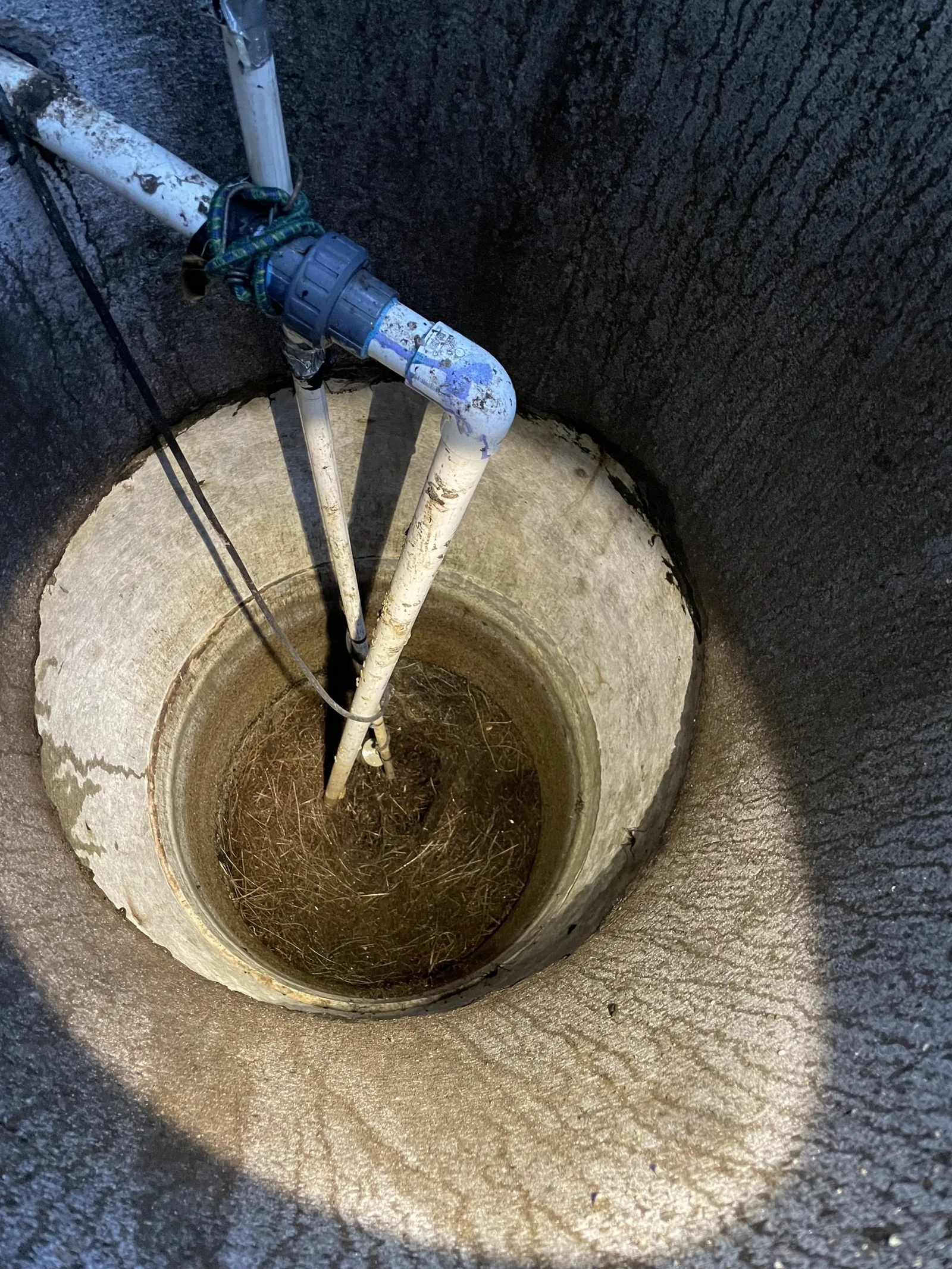
Write down what changed, when it changed, and whether it affects hot water, cold water, or every fixture. Collect a properly preserved sample, review the wellhead and pressure equipment, and avoid buying a treatment device based on one symptom. Coastal Range Water Inc. helps private-well owners in Lane, Linn, Benton, and Douglas counties evaluate water-quality and plumbing concerns.
Call 541-935-7867 to discuss testing and treatment options. If a pressure or electrical problem accompanies the water-quality change, switch the pump off at the breaker and do not repeatedly reset a tripped breaker.
Changes at one fixture can narrow the search. Compare cold and hot water, then check whether a neighbor’s work or your own plumbing project happened at the same time. A water heater can contribute to odor or sediment, while a pressure tank or pump issue can change flow without changing the source water. Notes and separate samples help a professional avoid treating the wrong problem and help you decide whether the next step is laboratory testing, equipment service, or a well inspection.
- Iron: orange staining, metallic taste, or rust-colored particles
- Manganese: dark staining or metallic taste
- Sulfur: rotten-egg odor or slimy deposits
- Hardness: scale and poor soap rinsing
- Low pH: corrosion or blue-green staining
- Nitrate, arsenic, and sediment: test rather than guess
Questions about this
Why does my well water smell like rotten eggs?
Can I tell if my well water contains arsenic?
Does a water softener remove iron and nitrate?
What should I do about sand suddenly appearing in the water?
Related services
Well water testing
Sampling and interpretation for bacteria, nitrate, arsenic, iron, manganese, hardness and pH.
Read moreWell water filtration
Whole-house filtration designed from a water test — sediment, iron, manganese, sulphur and taste, not a generic cartridge.
Read moreWater softening
Removing the calcium and magnesium that scale heaters, spot glassware and shorten appliance life.
Read more