Inspect the wellhead first
Walk around the well before the wet season and look for a loose cap, damaged casing, standing water, exposed wiring, or soil that slopes toward the well. The wellhead should be protected from surface runoff, vehicles, chemicals, and debris. Never bury or cover a cap that needs to remain accessible for service.
If flooding reaches the wellhead, do not drink the water until it has been tested. Keep children and animals away from contaminated standing water, and report damage to the service professional. A clean exterior does not prove the water is safe after a flood or damaged seal.
Protect the pump house and pipes
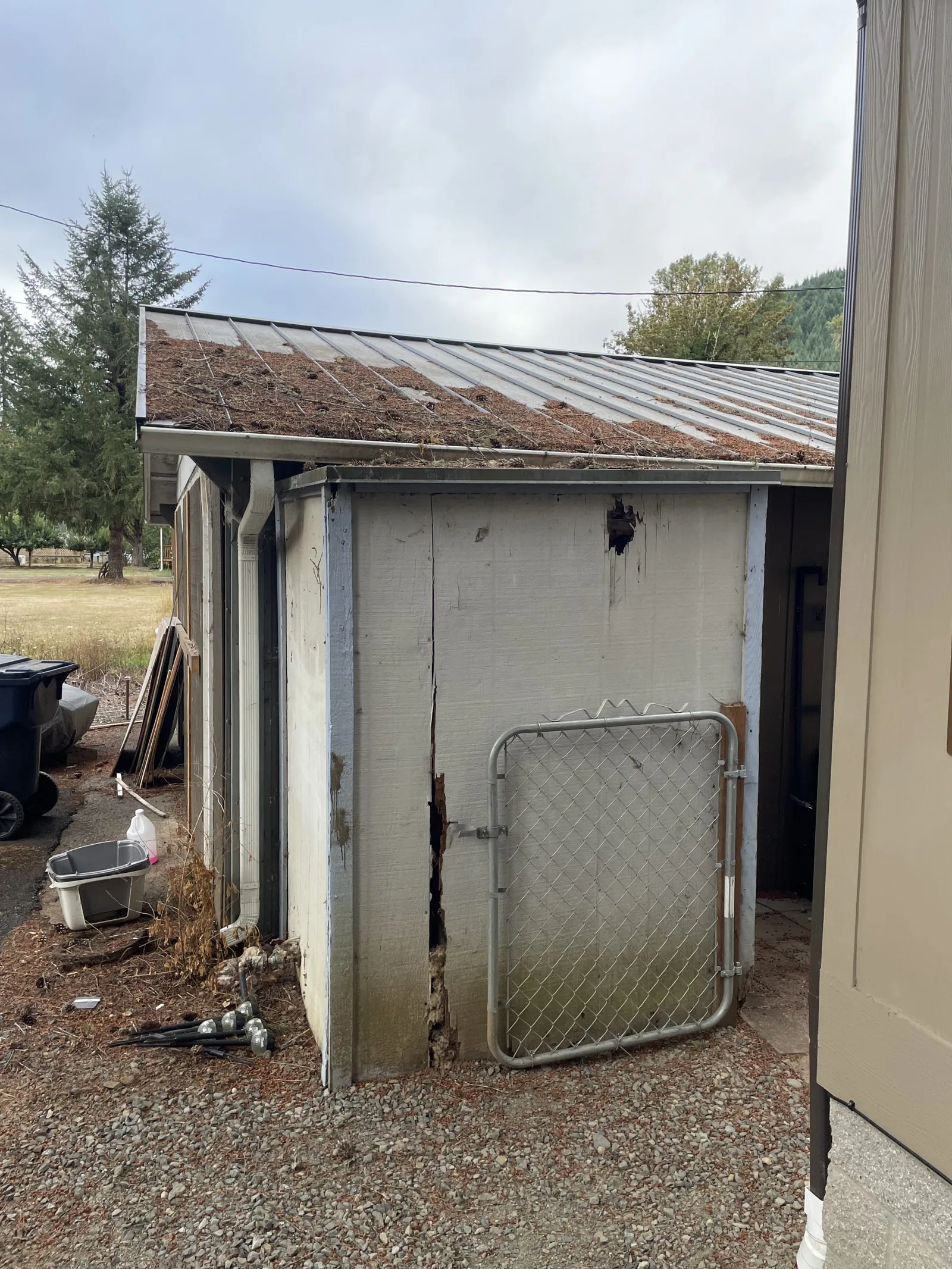
Check the pump house for drafts, leaks, broken vents, and water entry. Insulate exposed supply pipes where appropriate, but do not block required ventilation around combustion equipment or create a fire hazard near electrical components. Seal openings against wind and rodents while keeping the pressure tank and controls accessible.
Western Oregon winters are often wet, with occasional freezing nights. A short freeze can damage an exposed pipe, filter housing, or pressure component. Do not use an open flame to thaw plumbing. If a line freezes, shut off power and water as needed, then have the system inspected for splits before restarting it.
Check pressure and cycling
Use a faucet and observe whether pressure builds normally, the pump stops, and the gauge behaves steadily. Listen for rapid cycling, unusual humming, or a pump that runs longer than expected. Seasonal maintenance is a good time to address a small symptom before a storm or cold snap turns it into a no-water call.
Do not adjust the pressure switch casually. A wrong setting can overwork the pump or exceed the tank’s rating. If the pump runs continuously, switch it off at the breaker to prevent overheating. Never keep resetting a tripped breaker; arrange testing of the motor, controls, tank, and wiring.
Prepare for outages and storms
A power outage stops most electric well pumps, even when the well itself is healthy. Store safe drinking water for short interruptions and know where the pump breaker is located. Keep access to the wellhead, pump house, pressure tank, and main shutoff clear of vehicles, stored items, and storm debris.
A generator can be dangerous if connected incorrectly or operated indoors. Follow its instructions, keep it outdoors away from doors and windows, and use a qualified electrician for any transfer equipment. Do not improvise connections to a well-pump circuit. After power returns, watch for repeated trips, leaks, or abnormal pump behavior.
Manage runoff and flooding risk
Clean gutters, extend downspouts away from the well, and maintain drainage so rainwater does not collect around the casing or pump house. Keep fuel, pesticides, fertilizers, and other chemicals away from areas where runoff can reach the well. Mark the well location before winter landscaping or excavation begins.
If the property floods, avoid using the well until the system and water have been assessed. A pump may continue to operate while contamination enters through a damaged cap or casing. Use bottled water for drinking and cooking, and arrange well-water testing after the immediate hazard has passed.
Keep records and supplies ready
Write down the pump model if known, normal pressure range, breaker location, service history, and the date filters were changed. Keep replacement fuses or approved filter cartridges only when appropriate for your equipment, along with a flashlight and the service number. Records make storm calls and troubleshooting more efficient.
Do not stock random parts that change pressure settings or bypass safety controls. If your home depends on a private well, plan how household members will get water during a pump failure or outage. A small preparedness plan is especially useful for rural properties with long travel times during severe weather.
Schedule a seasonal inspection
A winter check can identify a weak pressure tank, exposed pipe, failing control, leaking line, or wellhead problem before access becomes difficult. It is also a chance to confirm that filters and treatment equipment are operating as intended. Maintenance does not eliminate every failure, but it can make symptoms easier to spot and respond to.
Coastal Range Water Inc. serves Lane, Linn, Benton, and Douglas counties from Noti. Call 541-935-7867 for well-system maintenance, repairs, and 24-hour emergency help. If flooding, a breaker trip, or loss of water occurs, protect your safety first and have the system inspected before normal use resumes.
Questions about this
Can a well pump freeze in Oregon?
The underground pump is usually protected from ordinary surface freezing, but exposed pipes, filters, pressure components, and pump-house plumbing can freeze during cold nights. Inspect insulation and drafts without blocking ventilation. If a line freezes, do not use an open flame; shut down safely and arrange inspection.
How do I protect my well from flooding?
Keep runoff away with grading, gutters, and downspout extensions; maintain a secure, elevated well cap; and keep chemicals away from the well area. If floodwater reaches the wellhead, stop drinking the water until the well and water have been professionally assessed and tested.
Should I turn off my well pump during a power outage?
If the outage is brief and the system is dry and safe, the breaker may remain on, but switch it off if there is flooding, visible damage, repeated tripping, or abnormal operation when power returns. Never connect a generator to a pump circuit without proper transfer equipment.
What should I do after storm flooding?
Avoid drinking or cooking with the well water, keep people away from contaminated areas, and contact a well professional. Do not repeatedly run a pump if the wellhead or electrical equipment is damaged. Water testing is needed before resuming normal consumption, even if the water looks clear.
Related services
Well pump maintenance
A scheduled look at the pressure tank, switch, controls and water quality before something fails on a Sunday.
Read moreWell water testing
Sampling and interpretation for bacteria, nitrate, arsenic, iron, manganese, hardness and pH.
Read moreEmergency pump repair
Around-the-clock response for no-water calls, burst lines, failed pressure tanks and pumps that will not shut off.
Read more