Start with the pattern
Low pressure at one fixture usually points to an aerator, cartridge, shutoff valve, or local pipe restriction. Low pressure at every fixture suggests a shared component such as the pressure tank, switch, filter, pump, well, or main water line. Notice whether pressure is always low or drops after several minutes of use.
Check the pressure gauge while a faucet runs, but do not remove covers or change switch settings. Record the reading, when the pump starts, and whether pressure recovers. These details help distinguish a delivery problem from a plumbing issue and give the technician useful information before arriving.
A clogged filter or treatment unit
Sediment filters, softeners, and treatment equipment can restrict flow when a cartridge is full or a valve is not in its normal position. This often causes acceptable pressure at the tank but weak flow farther downstream. Recent well work, cloudy water, or a missed filter change makes this possibility more likely.
Follow the equipment maker’s instructions for a routine cartridge check if you can do so without opening pressurized or electrical components. Bypass treatment equipment only as instructed and do not drink untreated water if treatment is required. If pressure remains low, schedule a water-pump diagnostic rather than guessing at the restriction.
Pressure switch or gauge trouble
The pressure switch tells the pump when to start and stop, while the gauge shows system pressure. A worn switch, blocked sensing port, damaged gauge, or poor electrical connection can create low or misleading readings. A switch that chatters, sparks, or fails to start the pump needs prompt professional attention.
Never adjust the switch while power is on, and do not open its cover unless you are qualified to work on the circuit. A professional can compare gauge readings, inspect the switch, and test voltage safely. Replacing a gauge without finding the underlying cause may leave the pressure problem unresolved.
Pressure tank problems
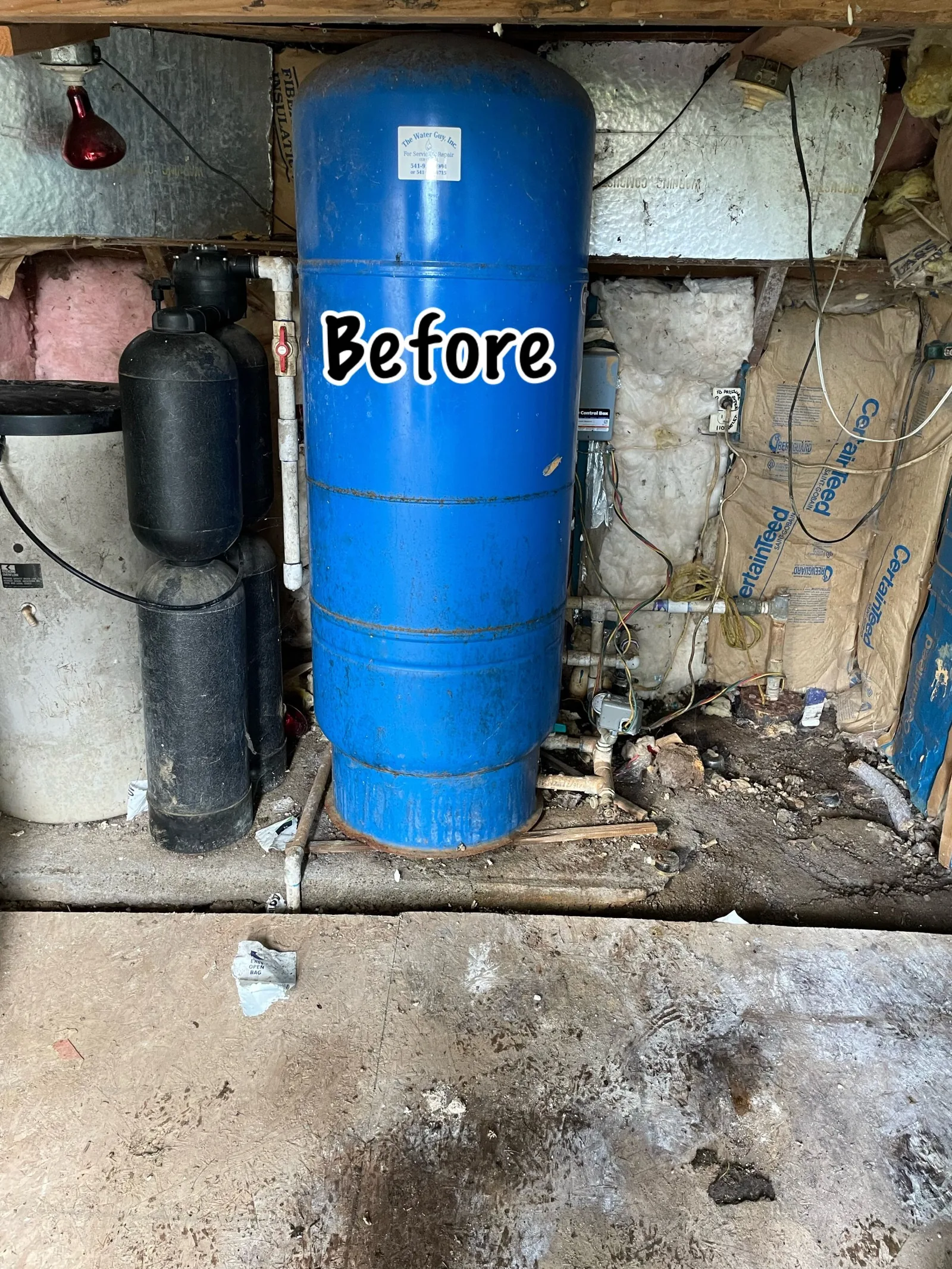
The pressure tank stores water under pressure and reduces the number of pump starts. If its air charge is wrong, the bladder has failed, or the tank is waterlogged, pressure may fluctuate and the pump may cycle rapidly. You may hear frequent clicks or see the gauge move through a very narrow range.
A tank check requires isolating the system and confirming zero water pressure before measuring air charge. Because that process involves pressurized plumbing and nearby electrical controls, call for pressure-tank repair if you are unsure. Continued rapid cycling can damage the pump and turn a tank issue into a larger repair.
Pump, well, or water-line limits
A worn pump, blocked intake, damaged drop pipe, low well level, or leaking underground line can all reduce delivered pressure. During a dry spell, a well may recover slowly even though the pump itself is functioning. A hidden leak can also make the pump run longer while pressure never reaches its normal cut-off.
Do not infer the cause from pressure alone. A technician can test flow at the well, inspect electrical performance, check for leaks, and compare the result with the well’s known capacity. If the pump runs constantly, turn it off at the breaker to prevent overheating and avoid repeated resets.
Safe homeowner checks
Walk the property for obvious running water, wet spots, broken hose connections, or a toilet that will not stop filling. Confirm accessible shutoff valves are open and note whether neighbors or a shared source have a supply issue. Look at the gauge without touching wiring, and document pressure at different times of day.
Do not dig near a buried line, open a control box, or increase pressure settings to compensate. Higher settings can exceed the limits of the tank, plumbing, or pump. If flooding reaches the wellhead or electrical equipment, stay clear, switch power off if safe, and arrange inspection before using the water.
Getting pressure restored
A reliable repair starts with testing the whole system rather than replacing the first part that looks old. The inspection may lead to filter service, switch or gauge replacement, tank repair, leak repair, pump work, or a conversation about well capacity. Ask what was tested and what evidence supports the recommendation.
Coastal Range Water Inc. serves Lane, Linn, Benton, and Douglas counties from Noti. Call 541-935-7867 for service and 24-hour emergency assistance. Until the cause is known, conserve water, avoid repeated breaker resets, and use bottled water if flooding or contamination may have affected the well.
Questions about this
What pressure should a private well have?
Many residential systems use a pressure-switch range selected for the equipment, but there is no single setting that fits every well. The tank, pump, piping, and fixtures must work together. Have the gauge and switch checked before changing settings, especially if the pump is cycling or pressure is unstable.
Can a dirty filter cause low pressure?
Yes. A loaded sediment filter or restricted treatment valve can reduce flow through the home while pressure near the tank remains normal. Check or replace a cartridge only according to the manufacturer’s instructions. If pressure stays low, the restriction may be elsewhere and needs inspection.
Why does pressure drop after a few minutes?
This pattern can involve a small pressure tank, a pump that cannot keep up, a low-yield well, a hidden leak, or a clogged filter. Note the gauge movement and pump behavior. A professional flow and pressure test is the safest way to separate these possibilities.
Is low pressure an emergency?
Call promptly if pressure is falling quickly, the pump runs continuously, a breaker trips, flooding affects the wellhead, or you have no water. Turn the pump off at the breaker when it runs without stopping. Do not keep resetting a tripped breaker while waiting for service.
Related services
Low water pressure
Tracking down whether the pressure loss is the tank, the switch, a clogged filter, the pump, or the well itself.
Read morePressure tank repair
Testing pre-charge, replacing failed bladders and sizing a new tank so the pump stops short-cycling.
Read morePump diagnostics
Pressure, amperage, flow and drawdown testing to find the actual fault instead of replacing parts by guesswork.
Read more