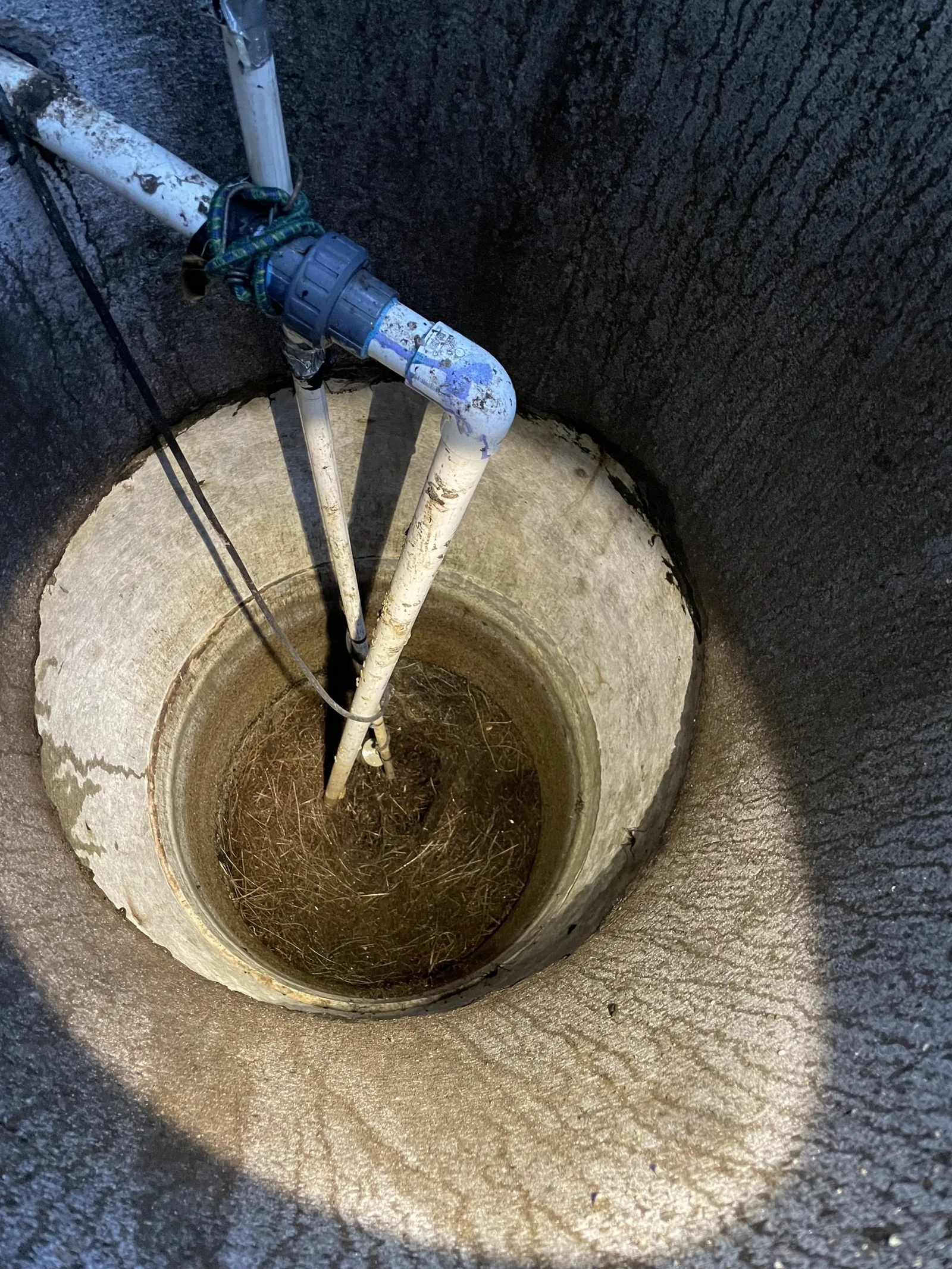
Well water testing in Oregon
Since groundwater has historically been a clean source of water, many cities pump groundwater to the surface through wells and send it directly to houses. Water is a natural solvent, and it can dissolve minerals that give water a taste, odour or smell. That same ability lets water pick up contaminants from the surface and carry them down into the groundwater system.
Groundwater should be an excellent place to keep clean water, but some pollutants can seep deep into it. Some contamination occurs naturally; most of it is human-made. Regardless of the source, it still makes groundwater unsafe to drink.
Oregon depends on well water
According to the Oregon Environmental Council, 70% of Oregon's population gets some of its drinking water from wells, and 23% rely on privately owned wells as their primary source. The same organisation notes that well water contamination is common in many parts of the state.
The areas where contamination shows up most often are coastal communities, the Willamette Valley, the Rogue Valley, central Oregon and eastern Oregon.
Nitrate is the contaminant to know about
Oregon is one of the states with the highest nitrate concentrations in shallow groundwater in the United States. Nitrate is a chemical usually found in fertiliser, manure and liquid waste discharged from septic tanks.
If nitrate is not filtered out of drinking water and is consumed in quantity, it can be harmful, especially to babies. Once ingested, nitrate affects the blood's ability to carry oxygen and can cause methemoglobinemia, known as blue baby syndrome.
What Oregon law asks of well owners
Oregon's Safe Water Bill, House Bill 2404, was enacted to analyse groundwater contaminants and provide information in areas with groundwater contamination concerns. It requires that well water testing information be provided to buyers at the point of a real estate transaction.
In practice the bill aims to ensure that more well owners test their water, identify regions with groundwater contamination problems, and reduce septic tank pollution.
- Ensure that more well owners test their water
- Identify regions with groundwater contamination problems
- Reduce septic tank pollution
Testing is more than a legal requirement
Well water testing is more than a law to follow. It is how you confirm that your water is safe for your family. Beyond nitrate, there are other contaminants we cannot see with the naked eye. Water that looks good and tastes good is not necessarily safe to drink.
Without a laboratory test, there is no way to know. We could unknowingly be drinking water that contributes to serious health problems over time.
What testing tells you
A proper test identifies existing problems with the water supply so they can be addressed, prevents the health problems that come with drinking contaminated water, and gives you a record that protects you if the property is ever sold.
If you are looking for a well water testing specialist in Oregon, call Coastal Range Water Inc. at 541-935-7867. We serve Lane, Linn, Benton and Douglas counties.
- Identify existing problems with the water supply and address them properly
- Prevent the health problems that come from drinking contaminated water
- Keep a record that protects you and your property
Questions about this
What does Oregon law require for well water testing?
Oregon's Safe Water Bill, HB 2404, requires that well water testing information be provided to buyers at the point of a real estate transaction. Separately, the Oregon Health Authority recommends annual testing for bacteria and nitrate on private wells.
How common is nitrate in Oregon well water?
Oregon has some of the highest nitrate concentrations in shallow groundwater in the country, particularly under agricultural ground and near older septic systems. It has no taste or smell, so only a laboratory test will find it.
Does boiling water remove nitrate?
No. Boiling concentrates nitrate because the water evaporates and the mineral stays behind. Nitrate needs a treatment system designed for it, such as anion exchange or reverse osmosis, or a different water source.
How do I get my well water tested?
Use a certified laboratory and follow its sampling instructions exactly — sterile bottle, disinfected tap, correct flush time. We take samples for customers across Lane County and explain the results against Oregon drinking water standards.
Related services
Well water testing
Sampling and interpretation for bacteria, nitrate, arsenic, iron, manganese, hardness and pH.
Read moreWell water purification
UV sterilisation, arsenic and nitrate treatment for wells where filtration alone is not enough.
Read moreWell water filtration
Whole-house filtration designed from a water test — sediment, iron, manganese, sulphur and taste, not a generic cartridge.
Read more