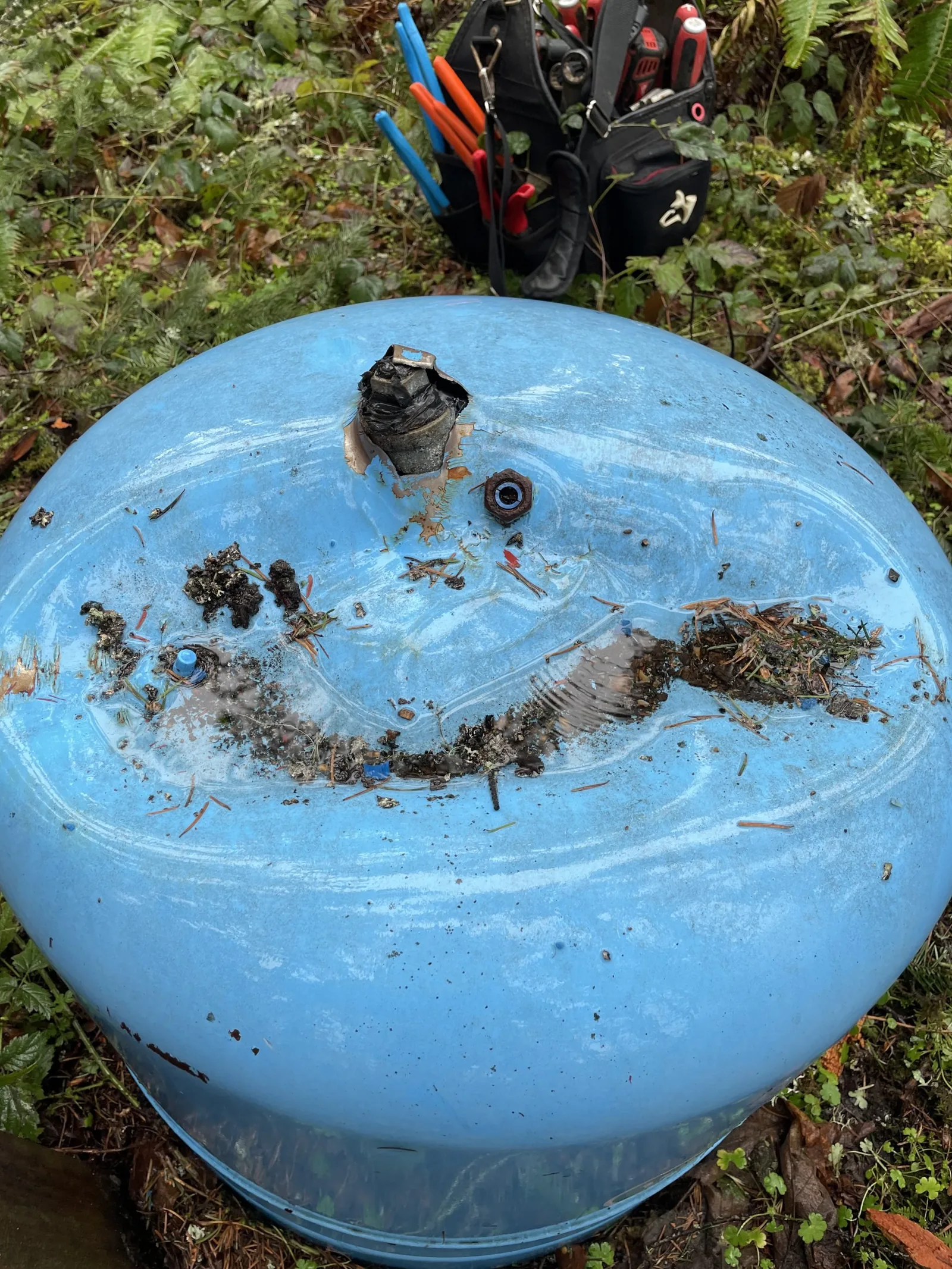
What is the well cap anyway?
If you own a well, the water well cap is something you must inspect regularly. The cap is the lid on top of the well casing that shows above ground. Most well caps are aluminium or thermoplastic, and most include a vented screen.
Why is it essential to keep it clean and intact? The well cap plays a vital role in keeping you and your family safe from contaminants in your water. When a water well pump system is installed, the sanitary cap has to be sealed properly to prevent contamination.
What a failed cap lets in
A cap that is loose, cracked or missing is an open door. As water flows across the ground or a road it picks up debris and chemicals along the way. From streets come oil and fuel leaking from cars, along with animal waste. Farm areas bring fertiliser, pesticide and animal waste. That material moves with the water until the water slows and the heavier contaminant settles.
If dirty surface water finds a path down your well, your water can be contaminated by any of it.
- Insects and small animals
- Surface water and runoff
- Bacteria
- Pesticides and herbicides from nonpoint source pollution
Why insects matter more than people think
A correctly fitted and sealed cap keeps surface water out. It also keeps insects out, which sounds minor but is not. Insect waste increases the bacteria in well water. Insects that get trapped in the pipes or the water die and decompose, releasing additional contaminants into the supply.
How to make sure the cap is properly sealed
Have a qualified water professional install the well water system, including fitting and sealing the cap. Check the cap periodically to make sure it is still intact, and check that it has not been tampered with or accidentally displaced by mowing, animals or frost.
Even though a well cap protects the water from many hazards, it is not the only thing standing between you and contamination.
- Have the cap fitted and sealed by a qualified professional
- Check it periodically for cracks or displacement
- Confirm it has not been tampered with or knocked loose
Other ways groundwater gets contaminated
A variety of sources can contaminate groundwater regardless of the cap: leaking septic tanks, minerals naturally present in bedrock, chemicals from underground storage tanks and nearby animal operations.
Some of these are not easily recognised and cannot be detected by smell or sight. That is why Oregon well water should be tested annually by a certified organisation, so nothing unseen is lurking in the supply. Do your due diligence and make sure the entire well water system is working correctly.
Questions about this
How often should a well cap be checked?
At least once a year, and after any mowing, excavation, flooding or animal activity near the well head. A cracked or displaced cap is one of the most common ways bacteria get into a well.
Can a well cap cause bacteria in the water?
Yes. A loose or damaged cap lets surface water, insects and small animals into the casing. If coliform returns after every shock chlorination, the cap and the casing seal are the first things to inspect.
What is the difference between a well cap and a well seal?
The cap covers the top of the casing and keeps debris and surface water out. The seal is the sanitary fitting below it that closes the space around the drop pipe and wiring. Both have to be intact for the well to stay protected.
Should I replace a rusty well cap?
Yes, if it is cracked, corroded through, or no longer fits tightly. A vented sanitary cap is inexpensive and is the cheapest contamination prevention available.
Related services
Well water testing
Sampling and interpretation for bacteria, nitrate, arsenic, iron, manganese, hardness and pH.
Read moreWell water purification
UV sterilisation, arsenic and nitrate treatment for wells where filtration alone is not enough.
Read moreWell pump maintenance
A scheduled look at the pressure tank, switch, controls and water quality before something fails on a Sunday.
Read more